
The U.S. Army Corps of Engineers (USACE) Safety and Health Requirements Manual, otherwise known as the EM 385-1-1, is being revised. The current release date is 15 March 2024 with a new name, “Safety and Occupational Health Requirements”.
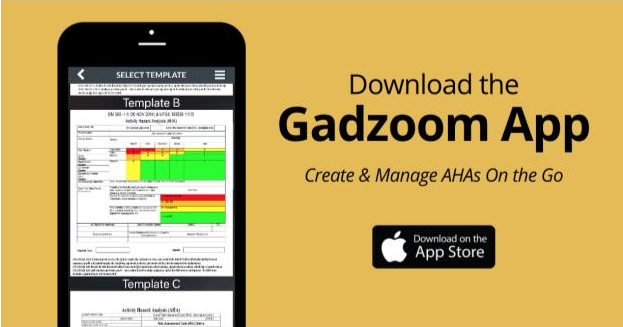
Every construction contract awarded by the federal government requires the creation and use of an Activity Hazard Analysis (AHA) for each and every step or Definable Feature of Work (DFOW) of the project. The creation of each AHA requires a substantial amount of both experience and research to correctly complete. For those in the industry, it’s honestly a daunting task for even the most seasoned safety professionals.
Let’s be honest, we’ve all persevered through the less-than-fun task of creating construction administrative submittals, such as Accident Prevention Plans, Quality Control Plans, and Environmental Protection Plans, along with all of the other more specialized plans. Afterward, we sit and wonder why we like our jobs as construction managers. To make matters worse, we generally wait to begin the task until three days before the drop-dead date, significantly raising the stress level. The experience tends to be an unwanted brush-up course on both Word and Adobe, as the struggle to remember all the forgotten tricks becomes mandatory for survival. It’s during these times that we’ve all wondered why someone hasn’t created a program where you can select the plans that you need, input the necessary data just once, and then let the program generate all of the documents simultaneously—perfect documents that are bookmarked, with pages numbered, and ready for printing. The thing is, someone has created that program. You can accomplish all of this and more with Gadzoom.
According to over 65% of respondents in a recent poll of construction companies, paperwork redundancy was the number one problem facing the industry. It results in more lost and wasted hours and has a larger financial impact on companies’ bottom lines than virtually any other issue.
Years ago, working for a larger construction company, I had an epiphany that sometimes, even seasoned companies don’t necessarily do everything better. Occasionally, they even succeed in spite of themselves. The first project that I was assigned to had been awarded six months prior, was approximately $25 mil, and was about to be terminated by the Government for the company’s failure to perform. During my initial meeting with the Government’s CM, I found out why.